
The allure of remote work is undeniable: flexible hours, location independence, and the promise of a better work-life balance. However, this burgeoning landscape is also fertile ground for malicious actors. Job seekers must be vigilant to avoid falling prey to the ever-evolving tactics of remote job scams. This article provides a comprehensive guide to identifying and avoiding these fraudulent schemes, ensuring your job search remains safe and productive.
The other day a scammer emailed me with a remote job offer. And they claimed be from Indeed which is a popular method these scammers try to lure unsuspecting seekers with a brand name. Do not engage! They are trying to steal personal information.
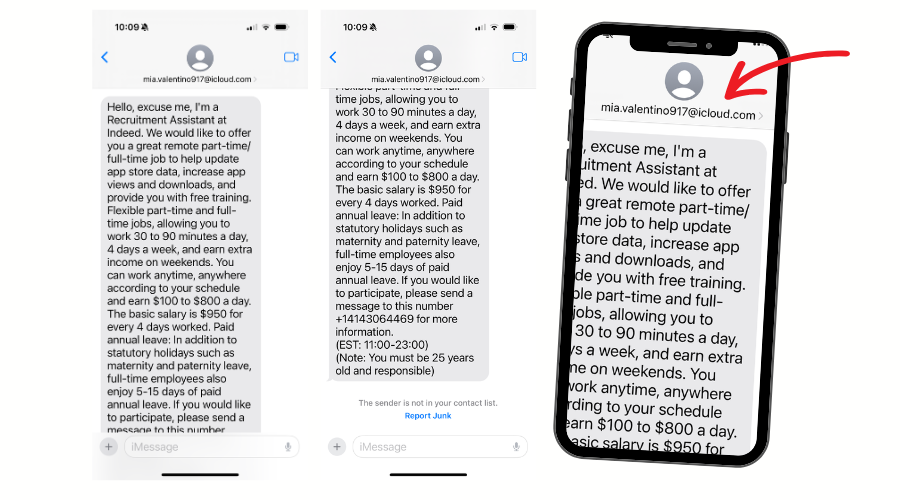
Understanding the Landscape of Remote Job Scams:
Remote job scams exploit the eagerness of job seekers, often targeting those in vulnerable positions or those seeking quick income. These scams can take various forms, but they often share common characteristics:
- Unrealistic Promises: High pay for minimal work, guaranteed employment regardless of experience, and promises of quick riches are red flags.
- Requests for Upfront Payment: Legitimate employers rarely, if ever, require job seekers to pay for training, equipment, or background checks. This is a classic hallmark of a remote job scam.
- Vague Job Descriptions: Scammers often provide ambiguous job descriptions, lacking specific details about responsibilities, company, or required skills.
- Suspicious Communication: Poor grammar, generic greetings, and unprofessional email addresses are indicators of a potential remote job scam.
- Impersonation: Scammers may impersonate legitimate companies or recruiters, creating fake websites and profiles to deceive job seekers.
- Data Harvesting: Some remote job scams aim to collect personal information for identity theft or other malicious purposes.
- Fake Check Scams: You might be sent a fake check to deposit and then asked to send a portion back. The check will bounce, and you’ll be out the money.
Red Flags to Watch Out For to Avoid Remote Job Scams:
- To Good to Be True: If a job offer sounds excessively lucrative or requires minimal effort, it’s likely a remote job scam.
- Urgency and Pressure: Scammers often pressure job seekers to make quick decisions, claiming limited openings or time-sensitive offers. Don’t be rushed.
- Lack of Company Information: Research the company thoroughly. A legitimate employer will have a professional website, social media presence, and verifiable contact information. If you cannot find information, this is a major red flag for a remote job scam.
- Requests for Sensitive Information Early On: Be wary of employers who ask for your Social Security number, bank account details, or other sensitive information before a formal job offer.
- Unprofessional Communication: Emails or messages containing grammatical errors, typos, or generic greetings should raise suspicion.
- Interviews via Instant Messaging: While some initial screenings may occur via chat, legitimate employers typically conduct formal interviews via phone or video call. Be wary of companies that solely conduct interviews via instant messaging, this is a common tactic for a remote job scam.
- Domain Name Discrepancies: Verify the company’s website domain. Scammers may use slightly altered domain names to mimic legitimate companies. For example, “examplecompany.net” instead of “examplecompany.com”.
- No Formal Application Process: Legitimate companies have formal application processes, including submitting resumes and cover letters. Be wary of jobs that require minimal application steps or offer immediate employment without an interview.
Steps to Take to Protect Yourself from Remote Job Scams:
- Thorough Research: Research the company online. Check their website, social media profiles, and online reviews.
- Verify Contact Information: Contact the company directly using the information provided on their official website.
- Be Skeptical of Unsolicited Offers: Be cautious of job offers received via email or social media without prior application.
- Never Pay Upfront Fees: Legitimate employers will never ask for payment for training, equipment, or background checks.
- Protect Your Personal Information: Do not share sensitive information until you have verified the legitimacy of the employer.
- Use Reputable Job Boards: Stick to well-known job boards and company websites.
- Trust Your Gut: If something feels off, it probably is. Don’t ignore your instincts.
- Report Suspicious Activity: Report suspected remote job scams to the Federal Trade Commission (FTC) and the relevant job board.
Addressing the Aftermath of a Remote Job Scam:
If you believe you have fallen victim to a remote job scam, take the following steps:
- Report the Scam: Report the incident to the FTC and the relevant job board.
- Change Passwords: Change paswords for all online accounts, especially those related to banking and personal information.
- Monitor Your Credit Report: Check your credit report for any unauthorized activity.
- Contact Your Bank: If you provided bank account information, contact your bank immediately.
- File a Police Report: If you have lost money or had your identity stolen, file a police report.
Final Thoughts
The rise of remote work has created numerous opportunities, but it has also opened the door to remote job scams. By staying informed, being vigilant, and following the steps outlined in this article, job seekers can protect themselves from these fraudulent schemes and pursue legitimate remote employment opportunities.
Always remember that due diligence is your strongest defense against the ever-evolving tactics of remote job scams. Be skeptical if it sounds too good to be true.
The post Remote Job Scams and How To Avoid Them first appeared on RemoteFetch Blog.